Email campaign platform or custom-built tool?
Brevo, Mailchimp, a French platform or custom development: practical criteria for choosing without paying for unnecessary complexity or blocking your process.
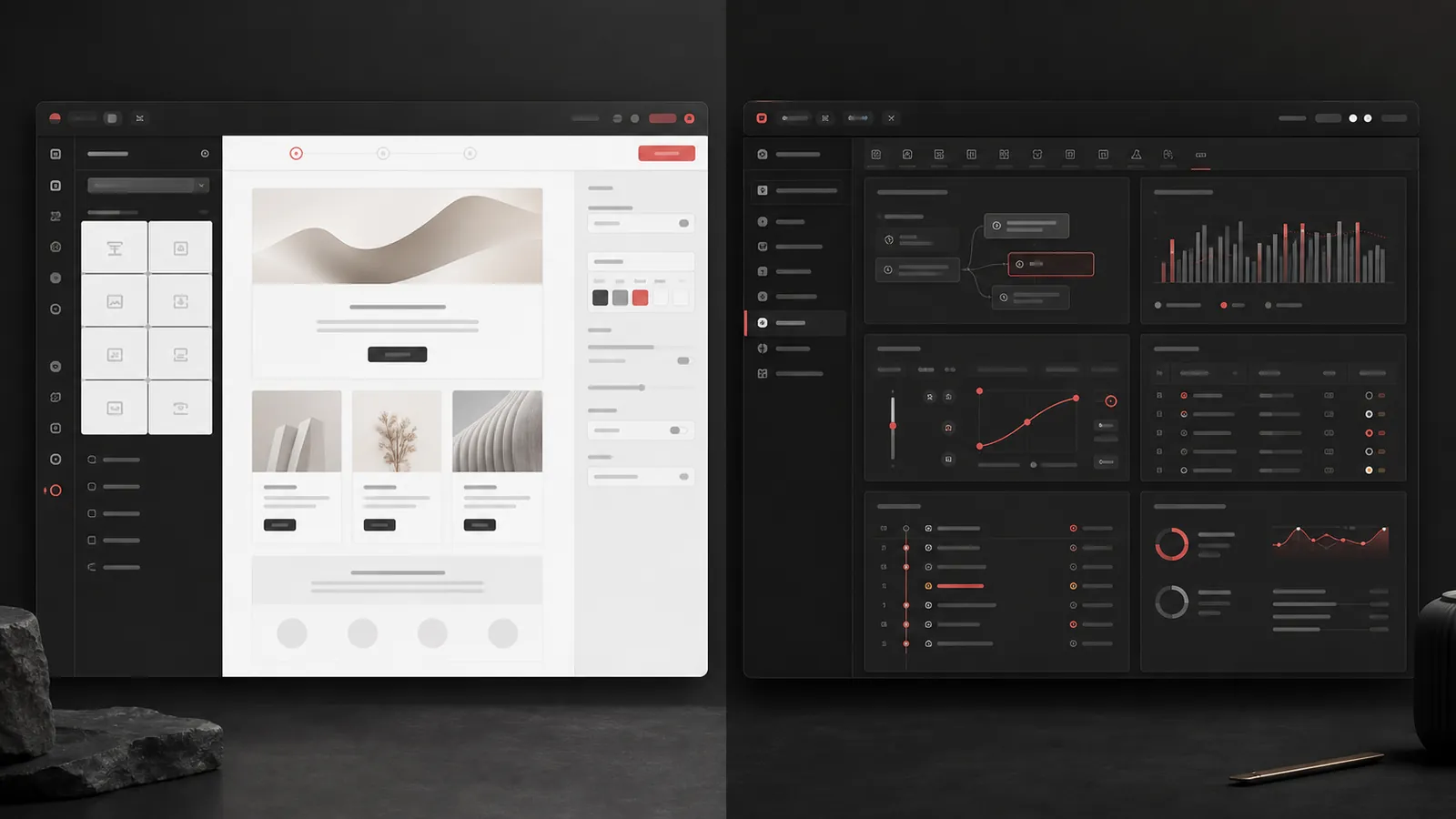
Brevo, Mailchimp, Sarbacane and other platforms already cover many professional campaign needs. They provide an editor, templates, lists, statistics and sending infrastructure. For many businesses, that is exactly what is needed.
The choice becomes more difficult when the base comes from an existing system, when several business rules apply, when sending must follow a particular pace or when standard logs are not enough. It is then necessary to compare the cost of an adaptation with that of the bypasses accumulated in the platform.
Start with the process, then look at the tool
Before comparing subscriptions, describe the campaign: origin of the list, volume, frequency, languages, variants, people who validate, target date, expected answers, unsubscribe and information to keep after sending.
Once this path is written, the really necessary functions become visible. Some will be native to almost all platforms. Others will require integration, automation or targeted development.
Choose a standard platform when the need remains standard
A platform is usually the best starting point when the team wants to create newsletters, manage simple segments, program campaigns and consult classic statistics without maintaining software.
- the sending infrastructure is already provided;
- Unsubscribes and bounces are integrated;
- the editor allows you to create the message without development;
- costs are predictable as long as the volume remains in the supply;
- support and updates are supported by the editor.
The main advantage is the start speed. The company can test its message and organization before investing in a more specific architecture.
Consider custom development when workarounds become the process
Customization becomes relevant when the team spends its time exporting, correcting, reimporting and manually checking data between multiple tools. It can also respond to validation workflow, multilingual logic, specific sending rules or a connection to a business system.
Measure the time spent bypassing the tool and the risk created by these manipulations to decide whether an adaptation is useful.
Compare the two options with six criteria
| Criteria | Standard platform | Customised tool or adaptation |
|---|---|---|
| Starting | Quick if the list and message are ready. | Scoping time, development and testing. |
| Functions | Wide catalogue, but imposed framework. | Functions limited to the useful process. |
| Infrastructure | Managed by the publisher according to his offer. | To choose, configure and monitor. |
| Integrations | Connectors available according to ecosystem. | Connection adapted to the existing system. |
| Maintenance | Included in the platform subscription. | To be provided within the project boundary. |
| Traceability | Statistics and logs defined by the publisher. | Journal adapted to the decisions to be taken. |
Do not confuse control and guaranteed deliverability
A specific tool can better control rhythm, breaks, errors and logging. It does not guarantee the arrival in a main box. The quality of the list, domain authentication, reputation, content and reactions of recipients remain critical.
A good decision therefore includes the necessary protections: unsubscribe, management of bounces, tests, shutdown thresholds and reasonable storage of logs.
Calculate the total cost, not just the subscription
A subscription platform can be cheaper than a specific development if it already does all the work. Conversely, an apparently low subscription can cost a lot of time if each campaign requires exports, corrections and manual checks.
For the tailor-made one must count the initial assessment, development, testing, infrastructure, maintenance and the person able to take the tool back. The code alone is not the total cost of the project.
A simple decision-making method
- Write the ideal campaign process without mentioning any software.
- List the mandatory functions and those that would only be comfortable.
- Test two platforms on a small real scope.
- Measure the remaining manual manipulations and risks.
- Quote for only those adaptations that remove a repeated constraint.
- Plan maintenance and how to move away from the tool before development begins.
Example: a base of 33,100 contacts
In a custom emailing campaign case study, a dedicated tool prepared 33,100 addresses, managed several variants and spread sending over 18 days. The aim was to make a specific process measurable and repeatable, rather than build a general-purpose email platform.
Conclusion: choose the tool that actually reduces the risk
A standard platform remains the most rational choice when it covers the process. Customization deserves to be studied when specific rules, integrations and manual manipulations take on a disproportionate role.
Page custom emailing campaign lets you describe the volume, list source and current tool so we can identify the level of work actually needed.
Frequently asked questions
Is an emailing platform enough to send 30,000 messages?
The volume alone does not decide. A platform may be suitable if the list is clean, the infrastructure is suitable, the clear consent and the native functions are sufficient. However, the pace, price and follow-up must be checked.
When should a custom e-mailing tool be considered?
When the workflow contains specific rules, absent integrations, multiple variants, detailed tracking or sending constraints that the platform is managing poorly or at a disproportionate cost.
Does a custom tool automatically improve deliverability?
No. Deliverability also depends on list quality, authentication, the domain, reputation, content, sending rate and recipients' responses. Custom development mainly gives you greater control over the process.
Can we start on a platform and then develop an adaptation?
Yes. This is often a good progression: first validate the message and process with an existing solution, then develop only the specific functions that are actually missing.
Read next.
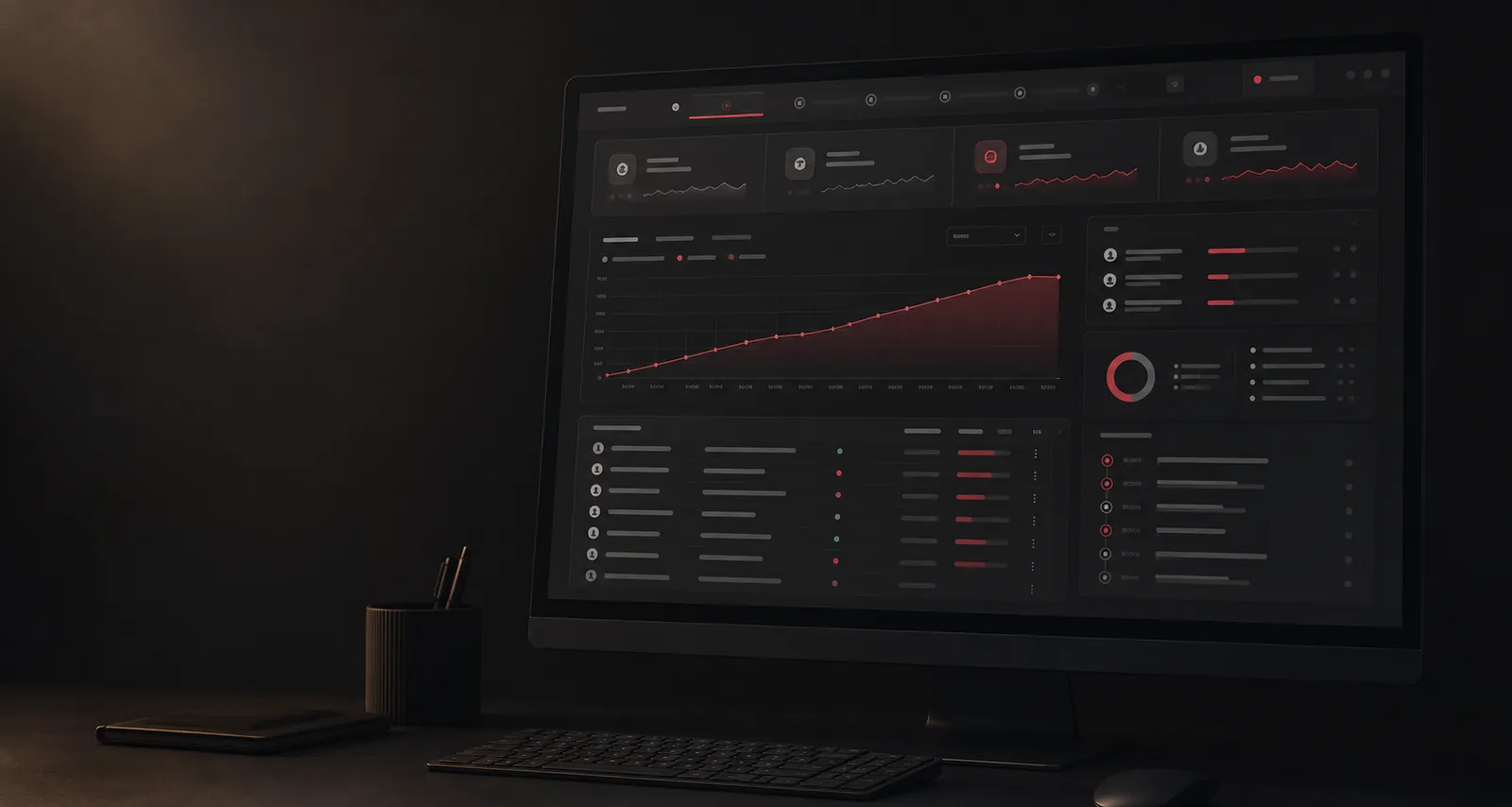
Case study: an email campaign to 33,100 contacts
How a custom email tool helped prepare, test and run a campaign to 33,100 contacts over 18 days, with precise acceptance and rejection tracking.
Read the article
The beginnings of 2Cafés
Andrei Chirtes and Anthony Grasso met while studying Networks and Telecommunications. Here is how their shared ideas led to 2Cafés.
Read the article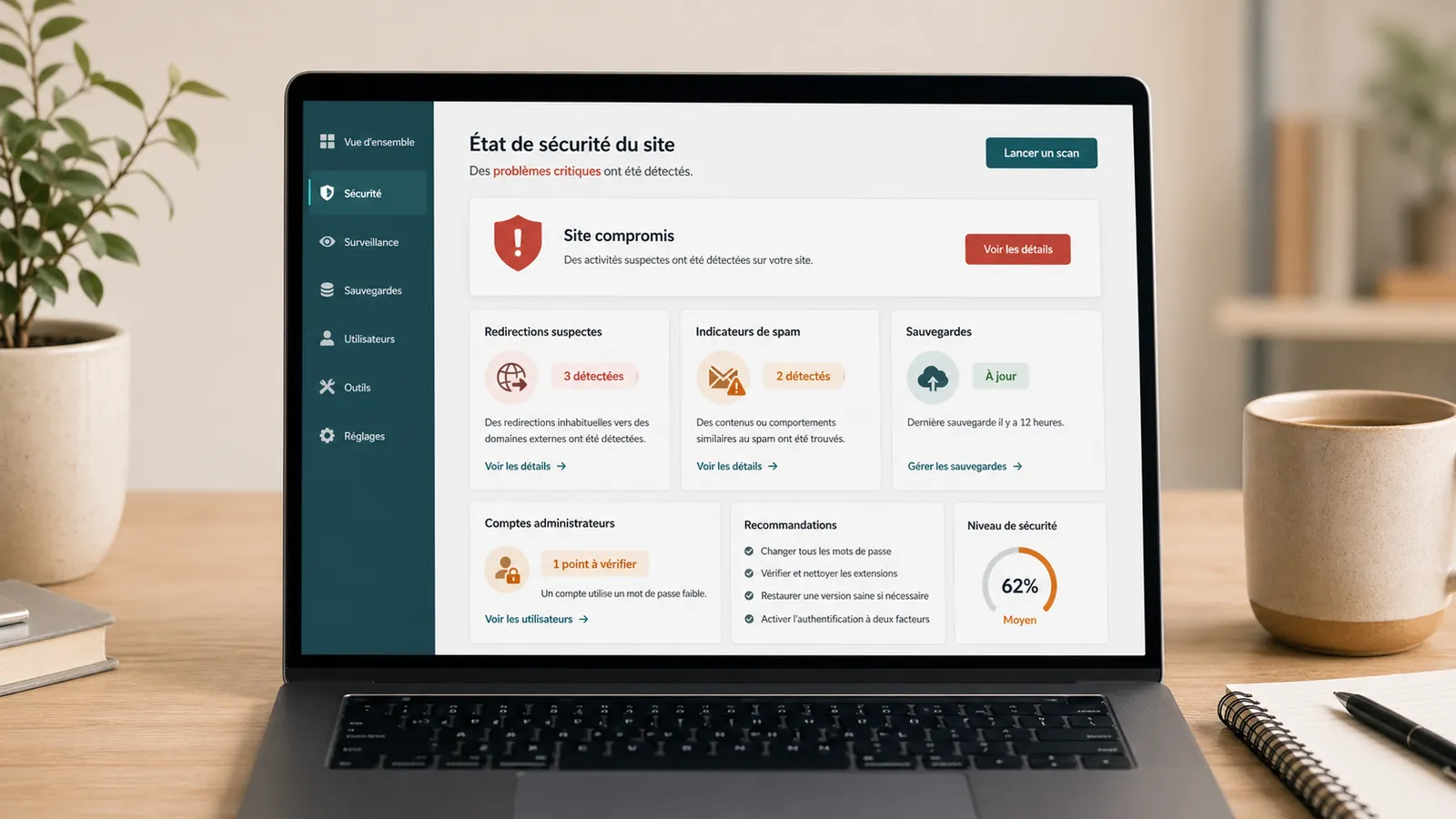
Google hacked-site warning: what should you do on WordPress?
Does Google warn that your WordPress website is hacked? What to check in Search Console, what to avoid and how to request a review properly.
Read the article