Oppenheimer · author's website
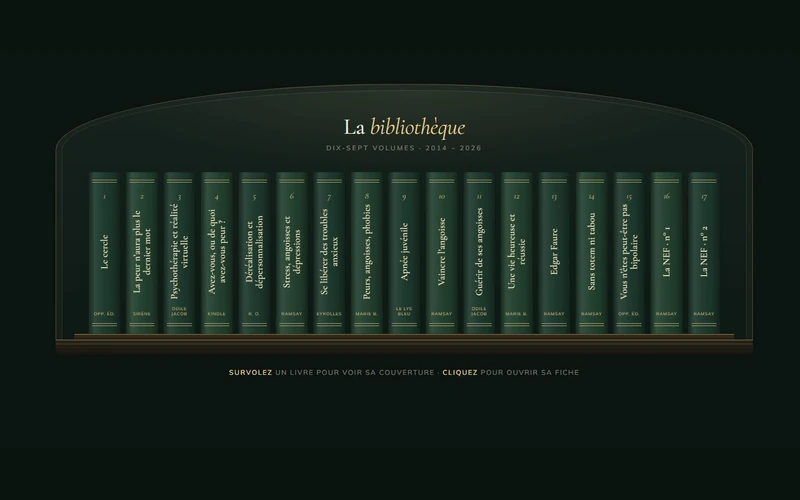
An author's website to explore like a library.
Read the case studyCase study · Production deployment
RTZM already had a developed Next.js application. We set up its production environment and update process, from the code repository to the public website, with checks after each release.
The starting point
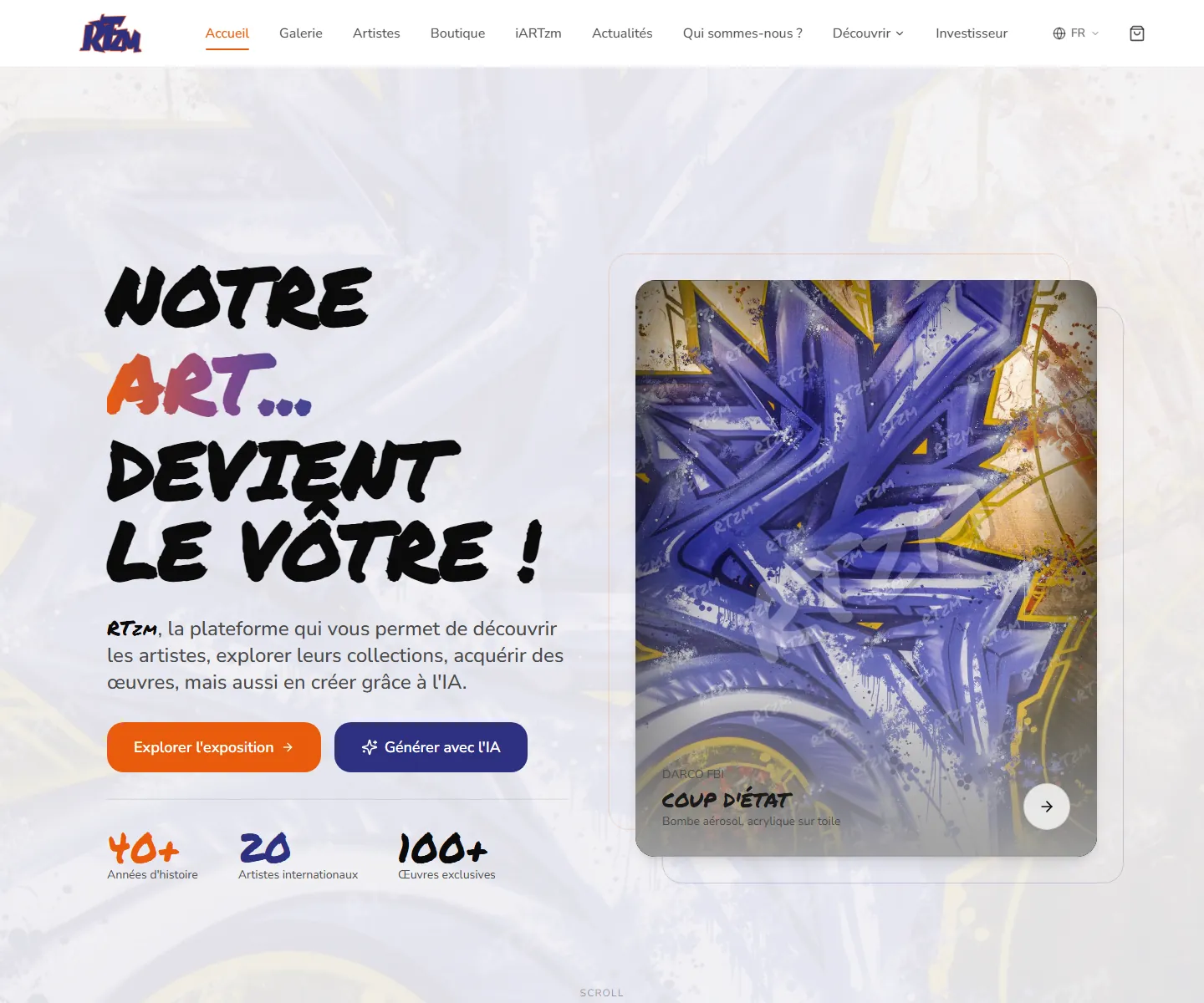
RTZM is an urban art platform bringing together a gallery, artist pages, shop, iARTzm experience, news and investor journey. Our work covered deploying this existing application to production and its update process.
Client website
The website needs to support discovering works, artist profiles, the shop, iARTzm experience, news and project-related enquiries.
The challenges
A Next.js application can evolve successfully in a repository without being straightforward to operate in production. The transition between code, build, publication and visible checks needed to be structured.
The workflow needed to reduce manual update steps while keeping infrastructure details and internal procedures out of public view.
The website has a strong artistic identity: typography, visuals, gallery, shop and animations need to remain consistent after each technical change.
What we did
Analysed the Next.js application foundation, public routes and production requirements.
Set up a runtime environment adapted to an already developed Next.js application.
Clearly separated the code repository, production build and publicly served website.
Configured an update process from the repository to the public website to reduce repetitive operations and omissions during releases.
Checked key pages, navigation, visuals, public metadata and website responses after launch.
Provided technical support to keep the application publishable, verifiable and easier to take over after changes.
Operations
The process connects the code repository to the public version: building, publishing and checking pages after each change.
The website uses a Next.js application with public pages, navigation, animated components and content organised around several journeys.
The process connects the code repository to the public website so changes can be published reproducibly, with fewer isolated manual steps.
After launch, checks cover website access, navigation, images, key pages and public signals useful for SEO.
For visitors
The homepage presents urban art, exhibitions, AI-assisted generation and initial calls to action for discovering the project.
Gallery, artists, shop, iARTzm, news and investor page avoid assigning every intention to a single page.
Artworks, typography and animations directly contribute to the platform’s credibility. The technical environment needs to preserve this appearance through changes.
Who visits, and why
Discover the RTZM world, explore artworks, view artists and move towards exhibition or shop areas.
Have a website published within a more stable technical framework, with a clearer transition between code changes and the publicly accessible version.
Quickly access positioning, introductory pages, news and contact points explaining the project.
What the project delivers
The items below describe the functions and documented work for this project. They are not measurements of traffic, enquiries or revenue.
Updates follow the configured process between the code repository and public version.
The process brings update steps together and includes post-publication checks.
The platform can continue presenting its identity, artworks, artists and public journeys with a clearer technical framework.
Explore further
An author's website to explore like a library.
Read the case study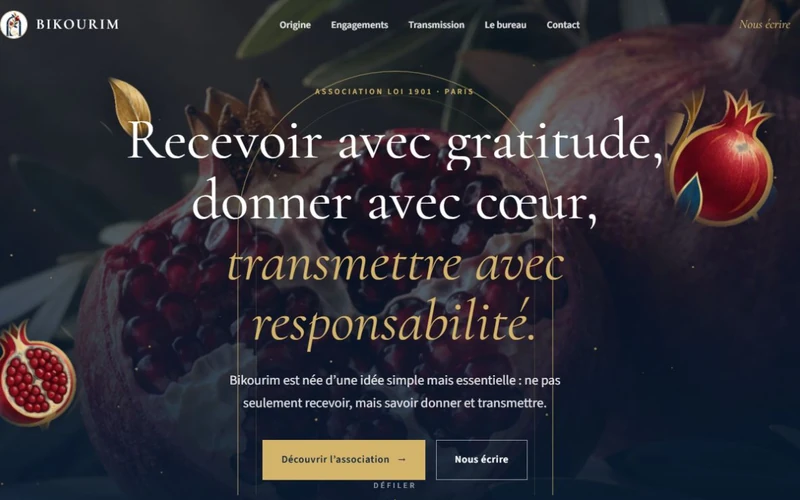
An association's website brought to life from its logo.
Read the case study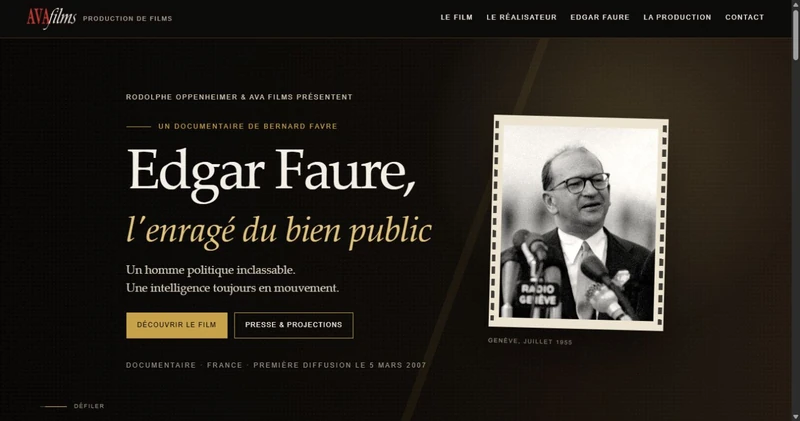
A film website that tells a story.
Read the case studyOur services